
How We Vet Nonprofit Partners: Inside Our Rwanda Visit

Go behind the scenes of how The Adventure Project vets nonprofit partners in Rwanda—from financial review to field visits and real-world impact.

Published on
read TIME
March 14, 2026
5 minutes
Go behind the scenes of how The Adventure Project vets nonprofit partners in Rwanda—from financial review to field visits and real-world impact.
Contributors:
Becky Straw
Co-Founder + CEO
Serrah Galos
Photographer         
Like this story? Please share:

What your gift makes possible

Before we invest in a new partner, we go.

We sit with communities. We ask hard questions. We see the work with our own eyes.

Because every dollar you give should fund something that works.

Why nonprofit partner vetting matters

At The Adventure Project, we believe in creating jobs—not handouts.

But that only works if we partner with the right local leaders.

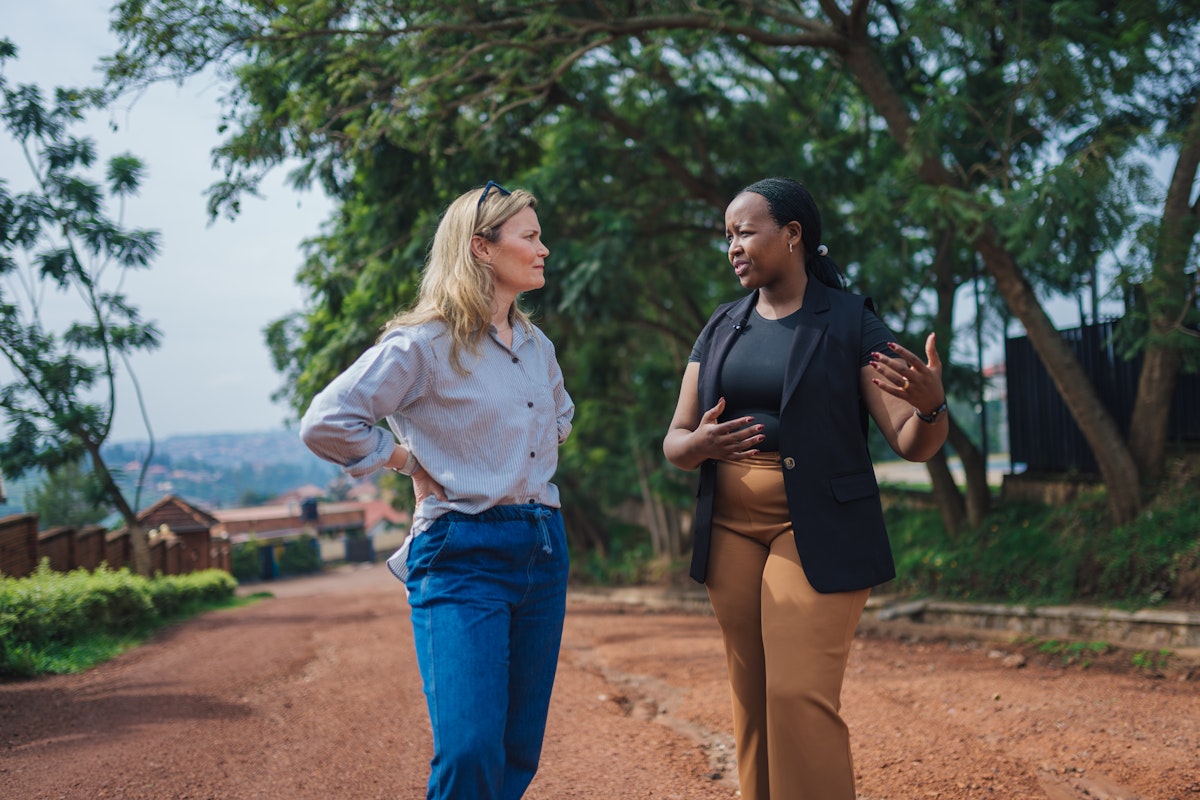
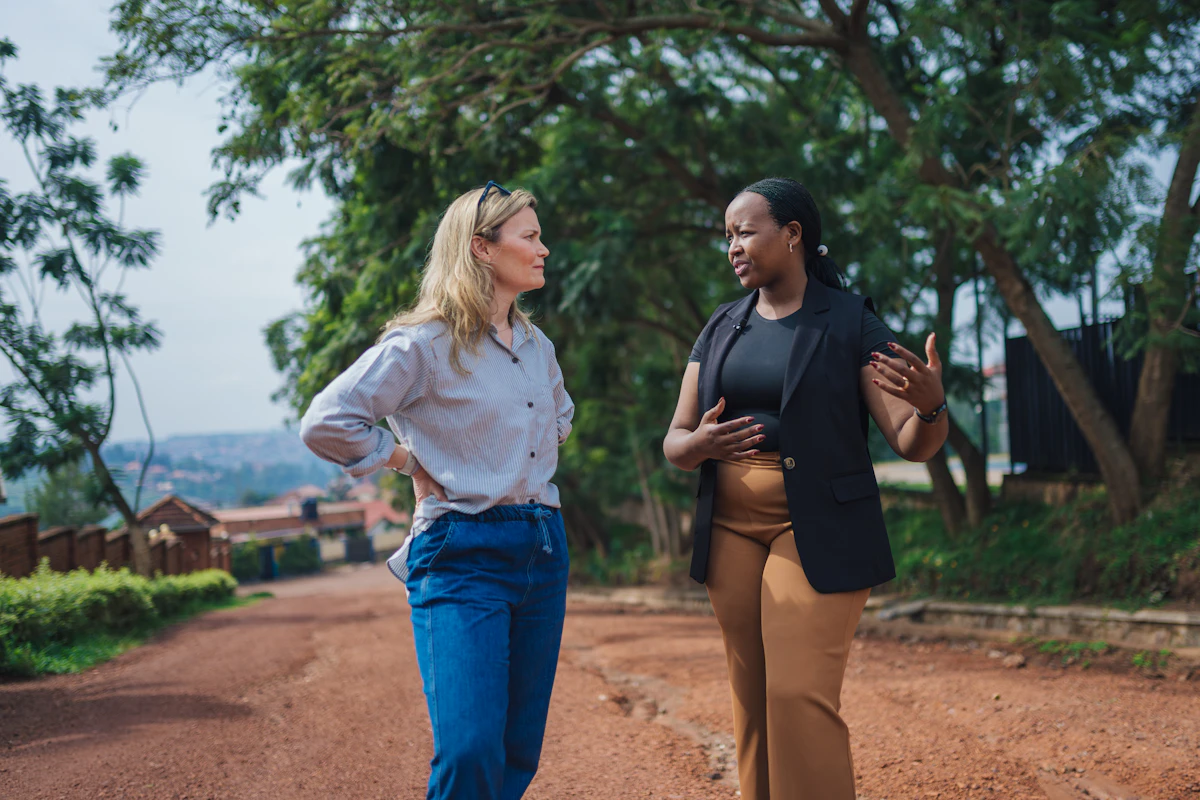
Recently, our COO, Michael, and I traveled to Rwanda to evaluate a social enterprise led by a Rwandan female founder bringing clean water to schools and communities.

What happens before we get on a plane

Most of our vetting starts long before a site visit.

We review:

  • Financial health and sustainability
  • Impact data and measurable outcomes
  • Leadership track record
  • Scalability of the model

But here’s the truth:

Spreadsheets only tell you so much.

What we look for in the field

Once we arrive, everything changes.

We:

  • Visit communities directly impacted
  • Talk with families and local leaders
  • Observe systems in real time
  • Ask what happens when things break

Because real impact isn’t what looks good on paper.

It’s what keeps working over time.

Clean water in Rwanda: what we saw

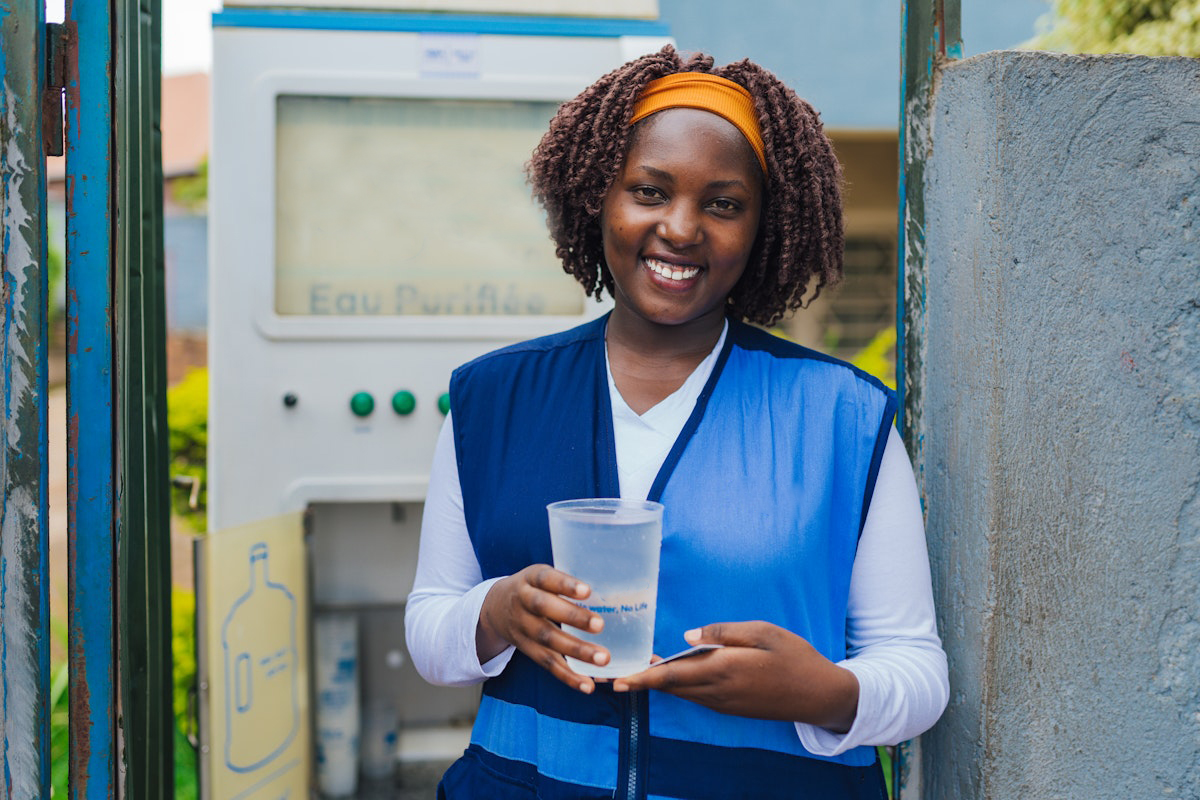
The social enterprise we visited is delivering innovative clean water solutions across Rwanda.

At one school, we watched something remarkable:

1,800 students gained access to clean water in a matter of hours.

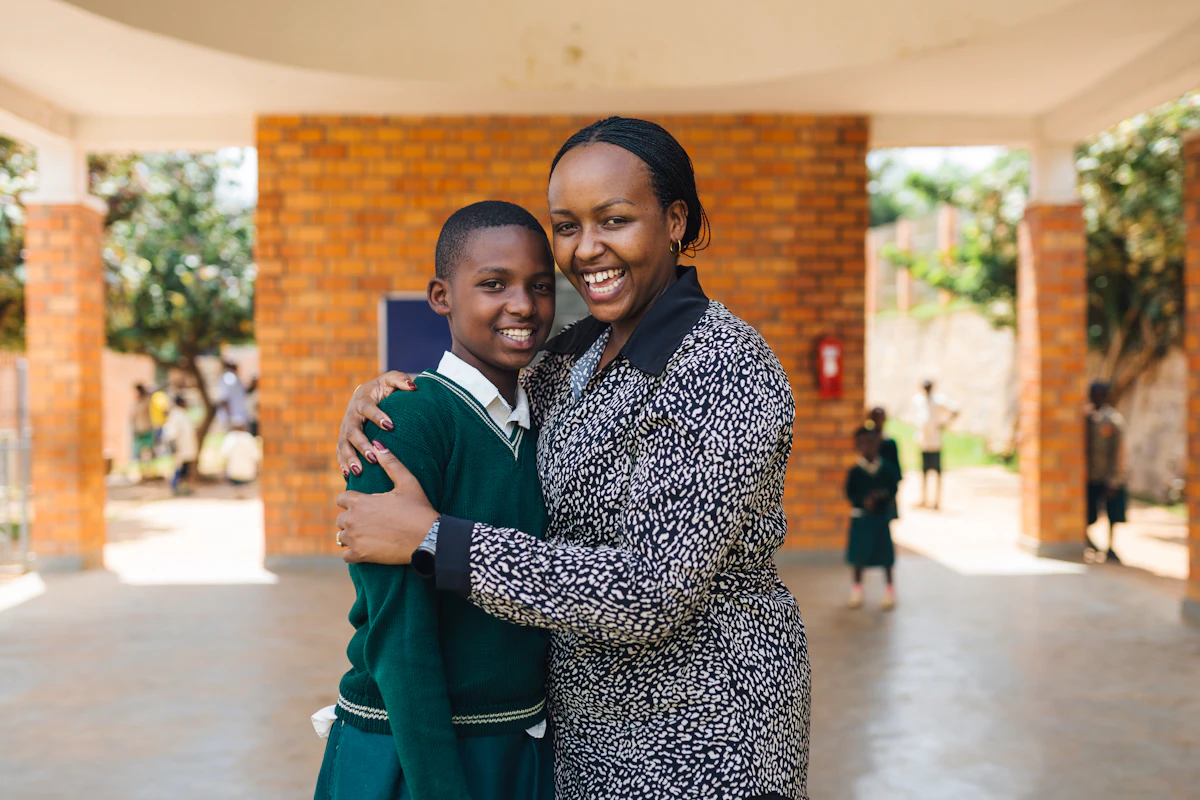
At another stop, community members gathered to share how much they rely on these systems.

One man said it simply:

“We need more.”

That moment stayed with me.

Because demand isn’t the problem.

Scaling solutions that last is the challenge.

Why local leadership changes everything

After visiting the communities, we sat down with the founder.

What stood out:

  • Years of iteration and testing
  • Deep understanding of the problem
  • A model designed to last

This isn’t a solution designed from afar.

It’s built by someone who lives the reality and is solving it from within.

That’s exactly the kind of leadership we back.

How we evaluate long-term impact

Before we say yes, we ask:

  • Will this create jobs locally?
  • Can this sustain itself over time?
  • Does it empower communities—not create dependency?
  • Is there a clear path to scale?

Because short-term fixes aren’t enough.

We’re investing in systems that keep working long after we’re gone.

What happens next

We’re still early in the vetting process, so I’m not ready to share everything yet.

But I can say this:

The work is incredibly promising.

Want to hear what happens next? Join our email list to be the first to know.

Frequently asked questions

How do nonprofits vet partners in developing countries?

Strong nonprofits combine financial analysis with in-person visits, community interviews, and long-term impact evaluation to ensure partners are effective and sustainable.

What specific metrics does The Adventure Project use to evaluate partners?

You are welcome to click here to get an inside look at what metrics we use when evaluating local partners.

Why is local leadership important?

Local leaders understand the problem firsthand and build solutions that are more likely to last and scale.

How does clean water create jobs?

Water systems require ongoing maintenance and management—creating stable, local employment while improving health outcomes.

Stay connected

Have a question for farmers or entrepreneurs in Rwanda?

Send your question. I’ll ask and report back.